
Spinal Orthoses
Spinal supports and belts are an effective way to relieve pain, protect the back during physical activity, prevent repeat injuries and aid the post-operative period. Back pain, especially in the lower back, is very common in adults of any age.
-
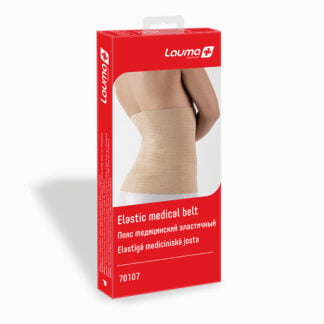
Lauma 70107 16% Wool Elastic Medical Belt
6,90 € Select options This product has multiple variants. The options may be chosen on the product page -
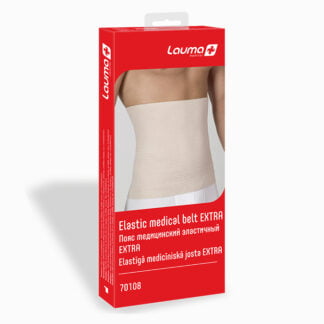
Lauma 70108 Extra 45% Wool Elastic Medical Belt
9,20 € Select options This product has multiple variants. The options may be chosen on the product page -
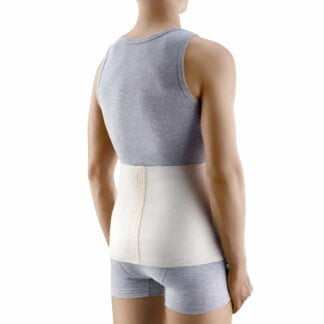
Tonus Elast 9509-AM Lower Back Warming Wool Belt
12,40 € Select options This product has multiple variants. The options may be chosen on the product page -
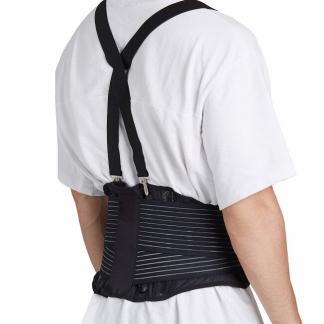
ARmedical AR-722W Working Lumbar Belt
52,90 € Select options This product has multiple variants. The options may be chosen on the product page -
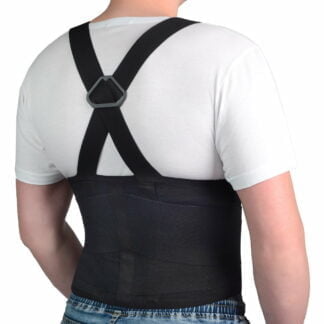
Ortopagalba KR0-3-4R Back Brace for Heavy Lifting
52,90 € Select options This product has multiple variants. The options may be chosen on the product page -
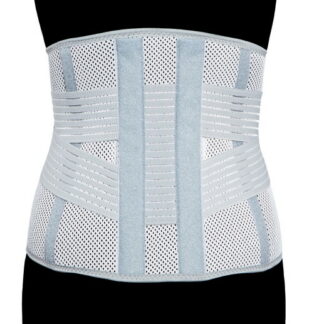
Qmed Premium S Lumbosacral Orthosis
59,90 € Select options This product has multiple variants. The options may be chosen on the product page -
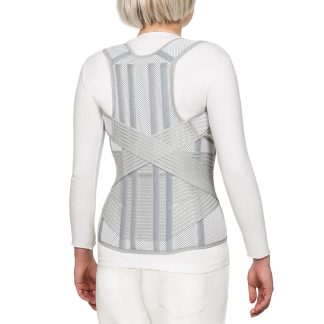
Qmed Premium TLS Thoracic-Lumbosacral Orthosis
89,90 € Select options This product has multiple variants. The options may be chosen on the product page
Spinal supports and belts — how to choose
Back orthoses are used in the treatment of spinal and back-muscle conditions, to support the spine after operations and to relieve pain. Indications include osteochondrosis, intervertebral hernia, spondyloarthrosis, sciatica and traumatic injuries. Below we explain how to choose a suitable model.
What to look for
Back orthoses are classified by two main features. By the section of the spine the orthosis supports:
- Thoraco-lumbo-sacral orthosis (TLSO) — covers most of the spine.
- Lumbo-sacral orthosis (LSO) — supports the lower back.
- Sacral orthosis (SO) — supports the sacral area.
By rigidity:
- Soft orthoses made of elastic material, usually without inserts — for light support.
- Semi-rigid orthoses (corsets) reinforced with plastic or metal inserts and adjusted with straps.
- Rigid orthoses that immobilise the spine.
Belts for physical work
Belts used for physical work are usually semi-rigid orthoses. They have braces and a narrower front so as not to restrict movement. Such belts help support the lower back when lifting weights or under prolonged load.
Quality and support
All back orthoses are CE-marked medical devices. The right size is especially important — our specialists will help determine it. Cervical braces and posture correctors are listed in separate categories.
Frequently asked questions
What is the difference between a back corset and a belt?
In practice the two terms are often used interchangeably. A “corset” usually means a reinforced, firmer orthosis with inserts, while a “belt” can mean either a soft supportive belt or a semi-rigid belt for physical work.
Does a back belt help with back pain?
A back belt can reduce pain by supporting the lower back and limiting painful movements. For chronic or severe pain, consult a doctor about the cause.
Should I wear a back belt during physical work?
Belts for physical work are intended precisely for lifting weights or prolonged load. They are not meant for constant wear — use them under load and remove them during rest.
How do I choose the right size?
The size of a back orthosis is usually determined by the waist or hip circumference. The size chart for each model is given in the product description.